Best Car Seats for Toddlers in Canada
At Kido Bébé, our Montreal car seat specialists guide families through one of the most consequential gear transitions of the toddler years. Choosing a toddler car seat in Canada means moving past the newborn rear-facing-only stage. The toddler years, roughly ages one to four, span extended rear-facing use through the forward-facing harness transition, and our Kido Bébé team is here to guide the decision.

What Counts as a Toddler Car Seat
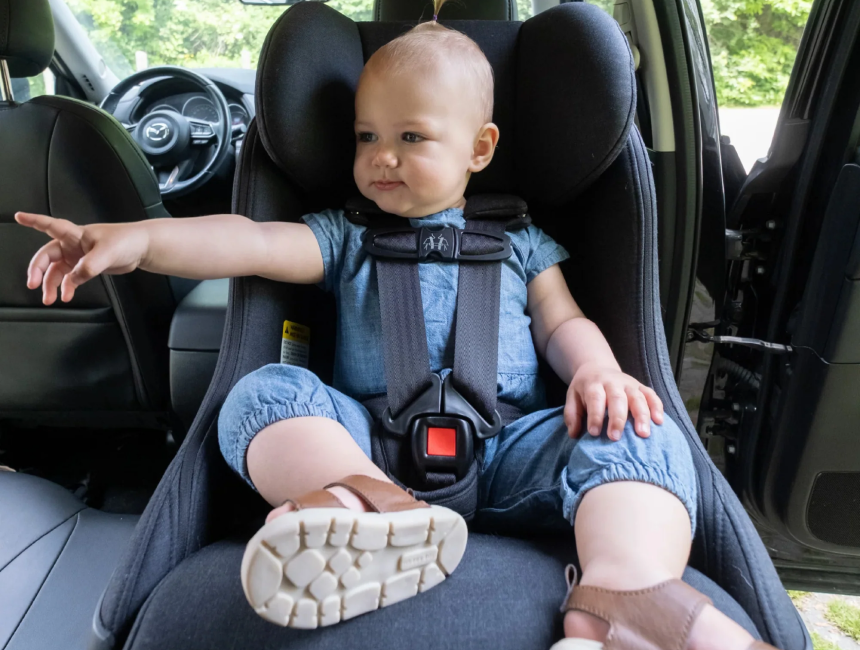
A toddler car seat is typically a convertible or all-in-one seat that you reach for once your child outgrows an infant carrier. It bridges two stages: continued rear-facing use in the early toddler years, then forward-facing harness use as your child grows. Unlike an infant carrier or a standalone booster, this category is built to adapt with your child, which is why our Kido Bébé team recommends it as the workhorse of the toddler years.
Rear-Facing Still Comes First
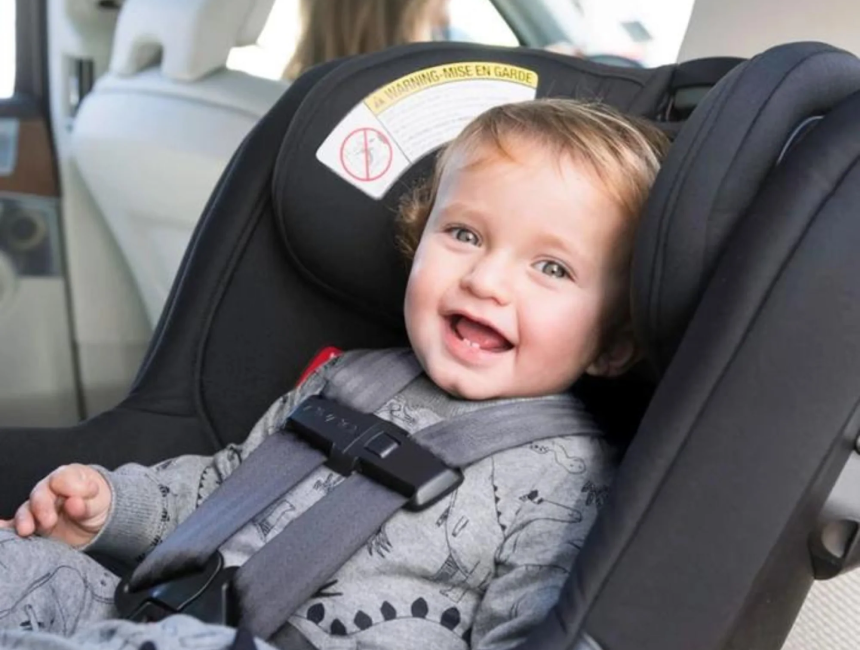
Canadian guidance favours keeping toddlers rear-facing well past age two, and the science behind extended rear-facing is clear. Both the Clek Foonf and the Nuna RAVA rear-face to 40 lbs under CMVSS 213 in Canada, giving most toddlers room to stay rear-facing longer. Before you buy any seat, check the label for the National Safety Mark, which confirms it meets Canadian standards.

Making the Switch to Forward-Facing
Knowing when to switch to a forward-facing car seat comes down to your child hitting the seat's rear-facing height or weight limit, not a birthday. Check the harness slot height and the top clearance of the shell before you make any change. When you do move forward-facing, follow the manufacturer height and weight limits and route the harness through the correct belt path for that mode.
Convertible vs. All-in-One for the Toddler Years
The distinction matters for Canadian shoppers deciding how long one seat should last. A convertible car seat for toddlers, like the Nuna RAVA, covers rear-facing through forward-facing harness use, then your child moves to a separate booster later. An all-in-one car seat in Canada continues into booster mode — ask our team which all-in-one models are currently available at Kido Bébé. If you want a single seat for the full stage, the all-in-one route is worth considering.

Rotating Seats and Everyday Loading
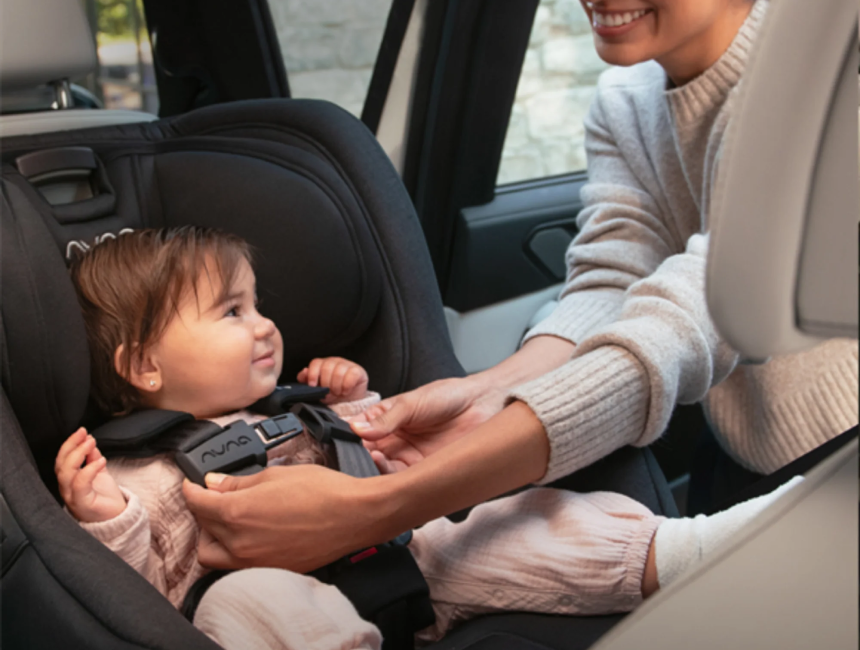
A rotating seat can be a genuine relief once a toddler resists being lifted into a fixed rear-facing seat. A 360-rotating seat like the Cybex Sirona S turns toward the door so you can settle your child at a natural height, then locks firmly back into position for the drive. In Canada, the Cybex Sirona S uses the Universal Anchorage System (UAS) up to 30 lbs, transitioning to seatbelt installation above that weight — confirm the correct installation method for your child's weight before each use. Many rotating models also use a load leg for added stability, which is a practical bonus during the daily in-and-out of everyday loading.
Canadian-Specific Considerations
Toddler car seats in Canada face conditions that US-focused guides rarely address. Winter is the biggest one: bulky snowsuits create slack under the harness, so dress your child in thinner layers and add a blanket over the buckled harness instead. A snug five-point harness matters more in cold weather, not less.
Regulation is the other piece. Every seat sold for use in Canada must carry the National Safety Mark and meet CMVSS 213, so a seat imported or bought from a US retailer is not approved for use in Canada under Transport Canada regulations. That is why we recommend buying from a Canadian retailer that stocks Canadian-spec models.
Shop Toddler Car Seats at Kido Bébé Montreal
Every seat we recommend is one you can see, touch, and try in person. Our team evaluates convertible and all-in-one models at our Kido Bébé showroom in Montreal, so we can talk you through harness height, rear-facing limits, and how a given seat fits a real back seat rather than a spec sheet.
Foire aux questions
How do I know when to switch my toddler to a forward-facing car seat?
The switch is based on your child reaching the seat's manufacturer rear-facing height or weight limit, not a specific age. Check the harness height first: if the shoulders sit above the top rear-facing slots, or the head nears the top of the shell, the seat has been outgrown rear-facing. Confirm the correct belt path for forward-facing mode before you reinstall, and follow the seat's stated limits rather than a birthday.
What does the National Safety Mark mean?
The National Safety Mark confirms that a car seat complies with Canadian regulations and standards under CMVSS 213. It signals the seat was built and certified for use on Canadian roads. Before buying any car seat sold in Canada, look for this label, usually found on the shell or the seat's information sticker. If a seat lacks the National Safety Mark, it is not approved for use here, even if it is sold elsewhere.
Can a car seat rotate to make loading a toddler easier?
Yes. Rotating convertible seats for toddlers, such as the Cybex Sirona S, turn toward the vehicle door so you can settle your child at a comfortable height without leaning deep into the back seat. Once your child is buckled in, the seat locks back into the rear-facing or forward-facing position for the drive. This design is especially helpful once a toddler starts resisting being lifted into a fixed seat.
What is an all-in-one car seat?
An all-in-one car seat in Canada is a single seat that transitions from rear-facing to forward-facing and finally to booster mode. It is designed to carry a child from toddlerhood through the school-age stage, so you buy one seat instead of several. This appeals to families who want fewer transitions, and it helps confirm that the seat still fits your child and vehicle well at each stage.
Do narrow car seats work for 3-across installation?
Narrower convertible and forward-facing car seats in Canada are designed to save backseat width, which matters most when you are installing a toddler seat alongside a sibling's seat. In a smaller vehicle, a slim profile can make the difference between a workable 3-across setup and one that will not fit. Always measure your back seat width and check each seat's dimensions, since fit depends on both the seats and your specific vehicle.