🔄
Do You Need a Joolz Double Stroller? | Kido Bébé Skip to content
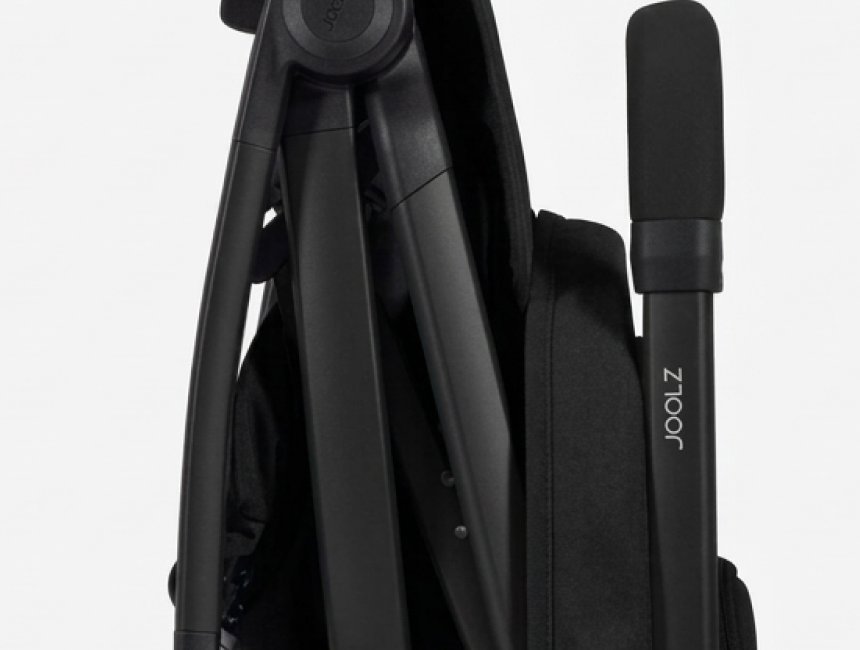
 Stokke YOYOÂł stroller with Joolz Newborn Pack attached, shown in a neutral lifestyle setting for Canadian families with newborns

Do You Need a Joolz Double Stroller?

At Kido Bébé, our Montreal stroller specialists work with families navigating this exact question every week. A Joolz double stroller isn't the right choice for every family, and that's worth knowing before you spend on one. This guide breaks down how the Joolz double system actually works, what you give up, and how to tell whether your family genuinely needs it.

 Close-up of the Stokke YOYOÂł stroller frame in black, highlighting compatibility with the Joolz Newborn Pack attachment system

How the Joolz Double System Works

The Joolz Geo3 converts from single to double using an in-line second seat that attaches behind and below the primary seat on the same chassis. The stroller stays at its original width rather than spreading into two seats side by side. In-line means the seats stack front-to-back, keeping the overall footprint narrow while carrying two children on one frame. In tight urban spaces, the stroller handles more like a single than a traditional wide double.

What You Give Up With an In-Line Double

In-line doubles come with trade-offs that reviewers flag consistently. The underseat storage basket becomes largely inaccessible once the second seat is attached, so plan on a backpack or clip-on handlebar bag for daily essentials. Total weight increases meaningfully in double mode. The extended handlebar position required by the second seat can also affect who can comfortably push the stroller day-to-day. These are known, predictable limitations worth understanding clearly before you commit to the double configuration.

Joolz stroller shown in a lifestyle setting, displaying the full frame and seat unit with the Newborn Pack accessory installed from day one

When a Single Stroller Still Works

A wide age gap between siblings often means a double stroller isn’t necessary for as long as parents expect. A footboard or ride-on board attached to your existing single stroller can carry an older child who tires partway through a walk. A front carrier handles the newborn stage while the older child walks beside you. Many families use this bridging approach comfortably for several months before deciding whether a full double stroller actually fits their routine.

 Signs You’re Ready for a Double

Twins are the clearest case for a double stroller from the start. Siblings under roughly 18 months apart come close — two children who both need to be carried on daily errands are hard to manage without a dedicated double. If frequent outings with two non-walking children are a regular part of your day, the investment starts making real sense. Occasional outings where one child rides in a carrier may not be enough to justify the switch.

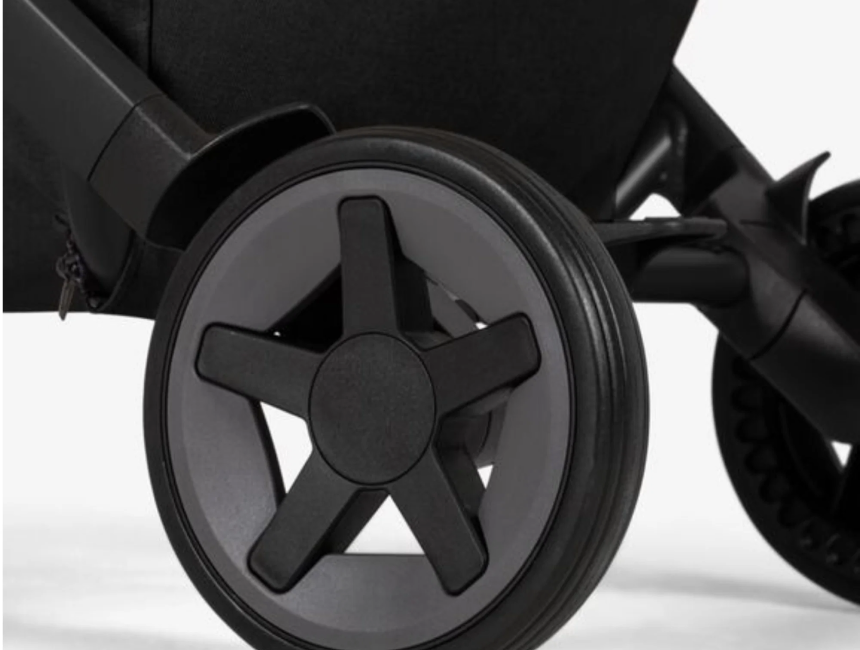
 Side view of a dark Stokke YOYOÂł stroller wheel and chassis, illustrating the compact folding frame used with the Joolz Newborn Pack

Doorways, Transit, and Canadian Winters

In-line doubles generally clear narrow Montreal doorways and transit aisles more easily than side-by-side frames, which can match or exceed a standard doorway width at full span. Folded size matters more than most buyers expect in winter, when car trunk space competes with boots, bags, and extra layers accumulated at the door. If transit accessibility is part of your daily routine, the narrower footprint of an in-line double is a meaningful practical advantage in Canadian urban conditions.

What This Means for Your Joolz Stroller

If you already own a Joolz AerÂČ or Joolz HubÂČ, it’s worth knowing upfront that both models are built as single strollers — neither converts to a double configuration. The Joolz lightweight lineup is designed around one child. A second child typically means evaluating a different model or a different brand’s double system rather than trying to adapt these single-use frames. Browse the full Joolz stroller collection at Kido BĂ©bĂ© to see what’s currently available in the lineup.

Choosing a Double Stroller in Canada

When comparing double stroller formats in Canada, measure your doorway width and car trunk opening before choosing between in-line and side-by-side. Think through how the seats will be used month to month as one child grows faster than the other. Canadian safety requirements apply to all strollers sold here regardless of brand — look for the appropriate certifications on the product label before buying. A single-to-double stroller that fits your home and vehicle saves the most friction long-term.

FAQs

Do I Need a Double Stroller?

It depends on the age gap between your children and how often you are out with two who cannot walk yet. Many families wait it out first, using a foot well board for the older child or a carrier for the baby. If both children still ride most of the time and your outings are frequent, a single-to-double stroller starts to make real sense for your daily routine.
How heavy is the Joolz Geo as a double stroller?

Independent reviewers report that the Joolz Geo3 twin stroller gains weight meaningfully in double mode compared to single mode, once the second seat and its frame are added. That extra weight is worth factoring into daily lifting, carrying it up stairs, and loading it into a car trunk. If you face steps or lift the stroller often, test how the fully loaded double feels before you decide it works for you.

Does a Joolz double stroller still have storage space?

Independent reviews consistently report that the underseat basket becomes hard to reach or effectively inaccessible in in-line double configurations, because the lower seat occupies the space where storage used to be. Plan to carry a backpack or a clip-on stroller bag instead, so you still have room for diapers, snacks, and extra layers. Knowing this ahead of time helps you pack realistically for outings with two children.

Is an in-line double stroller good for narrow doorways and transit?

Yes. An in-line double stroller keeps the same width as a single stroller, since the seats stack front to back rather than side by side. Reviewers note this makes it easier to fit through narrow aisles, bus doors, metro gates, and tight apartment entryways. For families in older Montreal buildings or those who ride transit daily, that narrower footprint is one of the format's biggest practical advantages.

What's the difference between a side-by-side and an in-line double stroller?

Side-by-side seats sit next to each other with equal sightlines, so both children see out and can interact easily, but the frame is much wider. An in-line double stacks the seats front to back, trading some child-to-child interaction for a narrower overall footprint. For a double stroller for siblings close in age, the in-line format often wins on doorways and transit, while side-by-side wins on shared views and even seating.

Drawer Title
Similar Products