


Building Emotional Intelligence Game and Emotional Play for Kids
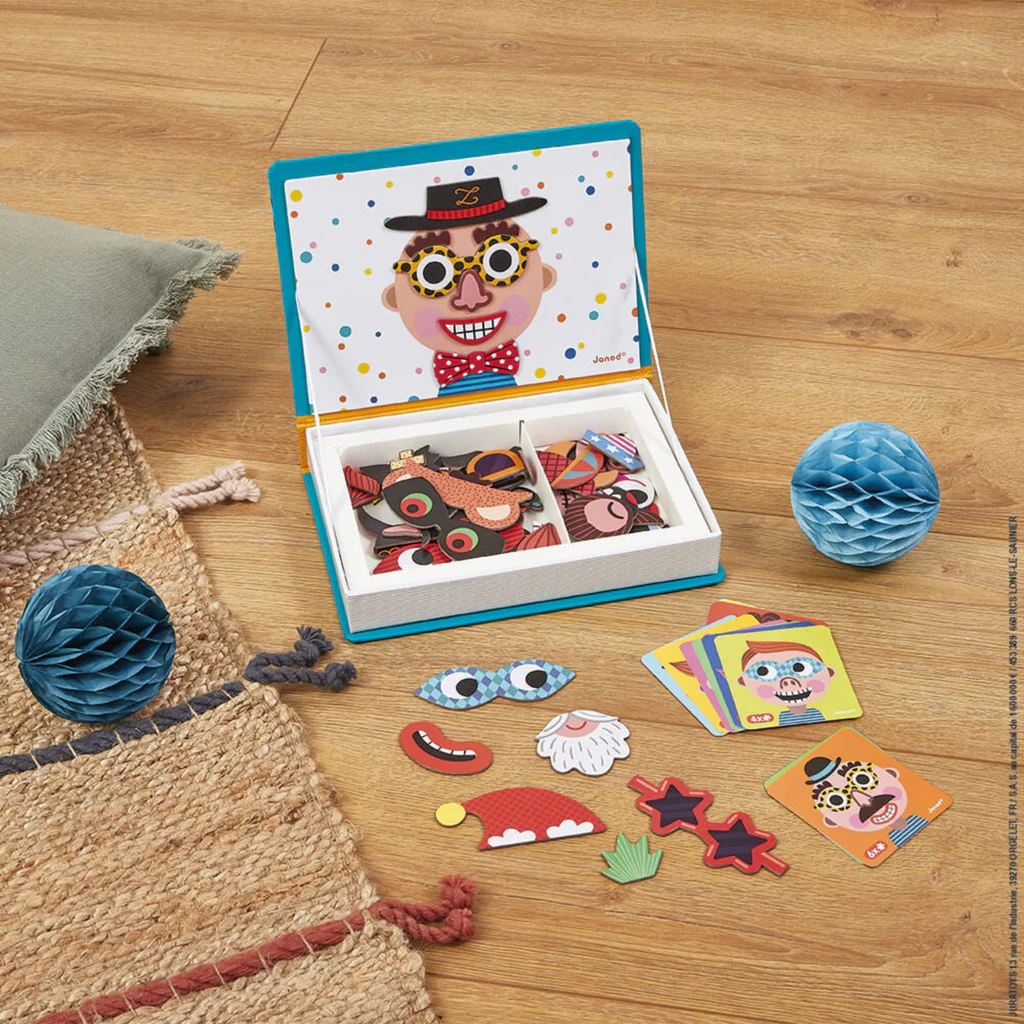
Today’s kids are growing up fast — but their emotions? Not always keeping pace. Many parents see tantrums, outbursts, or shy behavior and wonder: How do I help my child handle big feelings?
Here’s the secret: emotional intelligence in children can be taught — and one of the easiest ways is through emotional play and a well-designed emotional intelligence game.
In this guide, we’ll break down what emotional intelligence means, why it matters, and how simple games and daily moments can build your child’s resilience, focus, and calm.
Why Emotional Intelligence in Children Matters
Emotional intelligence in children is more than just feelings. It’s their ability to:
-
Understand and name emotions.
-
Manage frustration or fear.
-
Empathize with others.
-
Solve conflicts without yelling.
Studies show kids with high EQ:
-
Have better friendships.
-
Perform better at school.
-
Grow into happier adults.
Yet, traditional teaching focuses on ABCs and 123s — leaving emotions as an afterthought. That’s where play steps in.
Key takeaways:
-
Emotional intelligence in children sets the stage for lifelong mental health.
-
Ignoring emotions leads to stress, anxiety, and acting out.
-
Parents can teach EQ naturally through play.
The Role of Emotional Play
Emotional play is when kids explore feelings freely. It happens naturally when they:
-
Pretend to be superheroes solving problems.
-
Create “family” with stuffed animals.
-
Act out stories with dolls or action figures.
When parents join in without controlling the game, kids feel safe expressing sadness, fear, or anger. This open-ended play:
-
Teaches empathy.
-
Builds vocabulary for feelings.
-
Boosts problem-solving skills.
👉 Pro tip: Next time your child plays “teacher and student,” watch how they handle mistakes or conflict. It’s practice for real life!
How Emotional Intelligence Games Work
A good emotional intelligence game makes learning feelings fun — not forced.
Popular examples include:
-
Feelings flashcards: Kids pick a card, show the emotion, then share a time they felt that way.
-
Simon Says with emotions: “Simon says, show a happy face!” It builds impulse control and recognition.
-
Board games: Some include prompts like “Tell a time you felt brave.”
The secret? Games create a no-pressure space for tough topics. They help kids:
-
Pause before reacting.
-
Express anger with words, not hits.
-
Celebrate their successes.
At Kido Bébé, you’ll find toys that nurture imagination and feelings — from cuddly plushies for comfort to role-play sets for acting out everyday challenges.
10 Simple Emotional Intelligence Games and Activities
Here are tried-and-true ideas you can start today:
1. Feelings Charades
Act out emotions — happy, scared, frustrated — and let kids guess.
2. Calm Down Jar
Fill a jar with water and glitter. Shake it and watch the sparkles settle — it mirrors calming the mind.
3. Worry Box
Kids write worries on paper, drop them in a box. Helps “contain” anxious thoughts.
4. Mindful Coloring
Print emotion-themed coloring sheets. As they color, ask how each feeling looks.
5. Feelings Walk
Go outside. For each color or object you spot, name a feeling it reminds you of.
6. Happy Hearts Board Game
A playful mix of yoga, breathing, and discussion prompts — perfect for teaching self-regulation.
7. Yoga Cards
Pick a pose. Hold for five breaths. Discuss how the body feels.
8. Emotion Puppets
Craft puppets for different emotions. Use them for storytelling.
9. Bedtime Reflection
Before sleep, ask: “What made you happy today? What was hard?” Naming emotions helps processing.
10. Compliment Chain
At dinner, pass a compliment to the next person. Builds empathy and kindness.
How Kido Bébé Supports Emotional Intelligence in Children
Raising emotionally strong kids is easier with the right tools. Kido Bébé specializes in quality products that encourage healthy emotional play every day.
What sets them apart?
✅ Over 20,000 carefully curated products
✅ Toys that spark imagination and social skills
✅ Soothing items like swaddles and plushies for comfort
✅ Trusted brands parents love
By shopping at Kido Bébé, you’re not just buying toys — you’re giving your child tools to navigate big feelings confidently. From first blankets to engaging activity centers, everything supports your family’s emotional journey.
Discover popular picks:
-
Plush toys for comfort.
-
Pretend play sets for social learning.
-
Books that teach feelings in gentle stories.
Tips for Parents: Making Emotional Play a Habit
Consistency builds results. Try these parent-friendly tips:
✔ Join their world: Sit on the floor. Let them lead the game.
✔ Name emotions aloud: “I see you’re frustrated because the block tower fell.”
✔ Praise calm moments: “I love how you asked for help instead of yelling.”
✔ Set a routine: Use bedtime or meal times to reflect on the day’s feelings.
Remember: it’s not about perfection. It’s about practice.
Key Takeaways for Building Emotional Intelligence
-
Emotional intelligence game ideas make learning feelings playful.
-
Emotional play happens naturally when kids pretend, imagine, and create.
-
Parents and caregivers can boost emotional intelligence in children daily — no special training required.
Ready to grow your child’s confidence, focus, and calm? Start with play — and let Kido Bébé be your trusted partner for joyful parenting.
Frequently Asked Questions
What is an emotional intelligence game and how does it help my child?
An emotional intelligence game is any activity that helps children recognize, name, and manage their feelings. It turns big concepts like empathy, patience, and self-control into playful, everyday moments. Examples include feelings charades, board games with emotion prompts, or storytelling with puppets. These games help kids pause before reacting, build vocabulary for complex feelings, and learn to handle stress in healthy ways. At Kido Bébé, you can find toys and games designed to nurture this kind of learning naturally.
How does emotional play support emotional intelligence in children?
Emotional play means giving kids the freedom to act out stories, solve pretend problems, and handle “what if” situations safely. When they play superhero, teacher, or doctor, they’re not just having fun — they’re learning to see other points of view, practice sharing, and cope with conflict. This daily practice builds the core of emotional intelligence in children: self-awareness, empathy, and resilience. Parents can support this by joining the play, naming feelings, and praising kind actions.
What are the best tools or toys to encourage emotional intelligence in children?
Look for open-ended toys that spark creativity and social interaction. At Kido Bébé, top picks include plush toys for comfort, pretend play sets for acting out stories, and emotion-themed books. Mindfulness tools like yoga cards or calming jars also help kids self-regulate. The key is to choose items that invite your child to imagine, express, and connect — without rigid rules or screens.
How often should I use an emotional intelligence game with my child?
There’s no strict schedule, but consistency helps! Aim for short, daily moments. Even 5–10 minutes of a simple emotional intelligence game at bedtime or after school can make a difference. The goal isn’t to “teach a lesson” but to create safe opportunities for talking about feelings, handling frustration, or practicing patience. Keep it light, playful, and fun so kids stay engaged.
Where can I find quality emotional intelligence games and toys?
For carefully selected toys that build emotional intelligence in children, check out Kido Bébé’s online store. They offer thousands of items, from plushies and books to creative play sets. You’ll find trusted brands that balance fun and emotional growth, helping your child learn through play every single day. Shop local, shop smart, and watch your little one thrive!